Craps Surrender Rule Explained for Australian Players
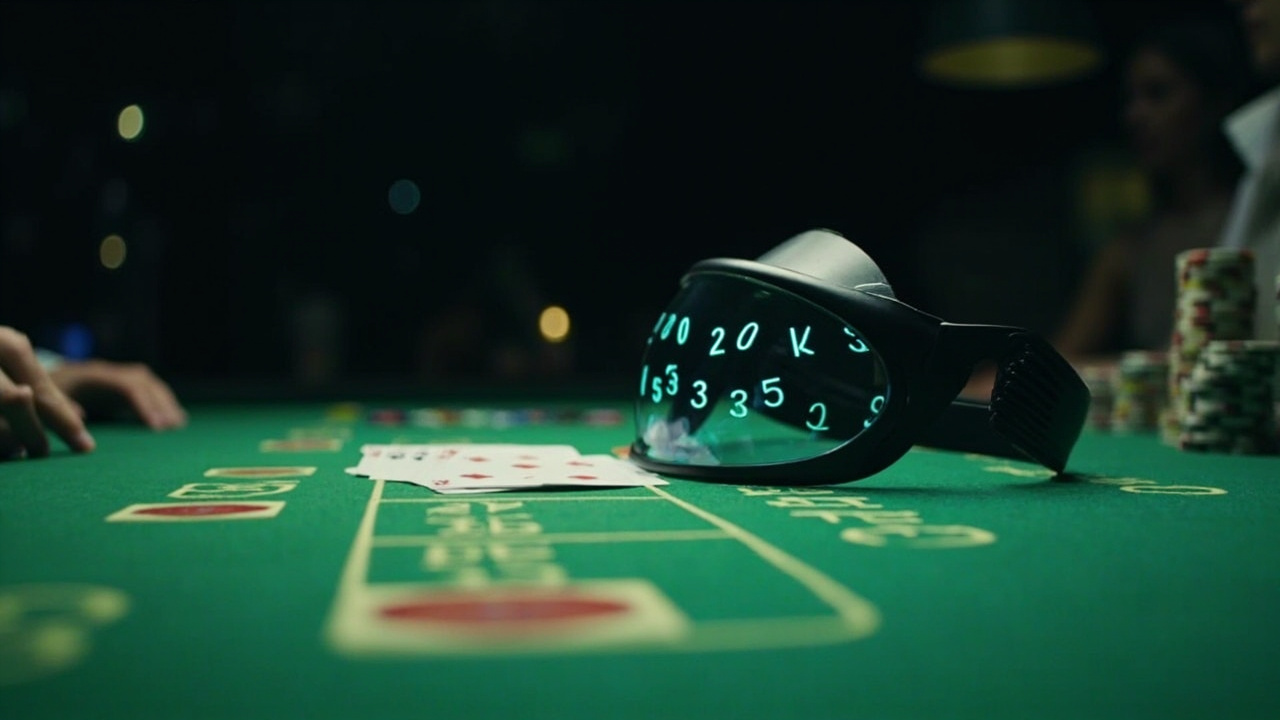
Most Aussie punters know the house edge is the one thing you cannot beat over the long run, but the craps surrender rule is one of the few exceptions worth knowing. It trims the casino’s advantage on the don’t side when your hard-earned cash is on the table. I’ve spent more than a decade moving between brick-and-mortar floors, poker rooms, and affiliate desks, and I can tell you that a small rule tweak like this changes how a table breathes. Below, I’ve broken it down as a decision guide so you can work out whether it suits the way you actually want to play.
The Math Behind the Surrender Option
The surrender rule kicks in on the don’t pass line when the shooter rolls a hard 12, and instead of losing the full bet, you lose only half. On a standard table that pushes the house edge on that line down from around 1.36 percent to roughly 0.98 percent, which is a meaningful shift for a game that already runs fairly tight. I’ve sat across from floor managers who swear by it because it softens the blow for players who prefer the dark side of the table, and from an affiliate angle, it’s the sort of detail that separates a well-run table game from one that just looks pretty on a sign. If you’re weighing whether to take the don’t side at all, that half-loss on the worst roll is a fair compromise, not a gimmick. It rewards patience without pretending the edge has vanished, and that honesty matters when you’re comparing tables side by side.
A Real Table Talk Over a Flat White
“Reckon the surrender rule actually tips the scales?” Mick asked, stirring his flat white while we sat in the corner of a Gold Coast café after a long arvo at the tables. I took a sip and told him it doesn’t tip anything, just trims the sharpest edge on the don’t pass. He nodded, saying he’d watched a mate blow through a session on hard 12s and wished the table had offered that half-back. I told him the rule is only worth chasing if he’s already comfortable laying odds and taking the don’t side, because it won’t rescue a player who’s just chasing a hunch. He laughed and said that was fair, then went back to his coffee while I watched the traffic outside.lightning link slots free online
Choosing the Right Table for Your Style
Before you put chips down, work out whether you’re playing for the slow grind or the quick thrill, because the surrender rule only matters if you’re actually taking the don’t pass line. If you’re the type who likes laying odds and keeping the action measured, a table that offers surrender is a sensible pick, and you’ll want to check that the layout is clear, the dealers know their stuff, and the pace doesn’t feel rushed. I’ve reviewed plenty of lobbies where the table games get buried under a wall of pokies, and that’s a real problem if you’re hunting for craps specifically. A decent lobby should let you наша онлайн-визитка filter by table game, see the rules up front, and spot the surrender option without digging through three menus. If you’re playing online, the same principle applies: the game mix should make the table obvious, not hide it behind a row of slots that do nothing for your craps session. That’s why I always tell people to compare the table presentation against notes on local casino game guides, where players flag when a lobby makes a simple rule hard to find.
Playing the Don’t Side With Confidence
If you’ve decided the don’t pass is your lane, the surrender rule gives you a slightly softer landing on the worst roll, but it doesn’t change the rest of the decision tree. You still need to think about whether you’re taking odds, how you’re managing your bankroll, and whether the table pace suits your temperament. In my time running VIP tables and affiliate campaigns, I’ve seen players who treat the don’t side like a revenge bet and lose fast, when the real edge is in keeping the bet small and letting the math do its work. A good session is one where you know the rule, accept the half-loss on a hard 12, and move on without overcorrecting. That mindset matters whether you’re at a quiet Gold Coast pub table or logging in from the couch, because the rule only helps if you’re disciplined enough to use it.
FAQ
What Exactly Does the Craps Surrender Rule Do?
The craps surrender rule halves your loss on the don’t pass line when the shooter rolls a hard 12, so you lose only half your bet instead of the full amount. It trims the house edge on that line and gives the don’t side a slightly fairer outcome on the worst roll. It doesn’t change any other wager, and it only matters if you’re actually taking the don’t pass.
Is the Surrender Rule Available on Every Craps Table?
No, the surrender rule is a table-specific option, not a universal craps rule, so you need to check the layout or game info before you sit down. Some tables run it, some don’t, and the difference shows up only on that hard 12 don’t pass outcome. If you’re hunting for it, look for the rule stated on the table felt or in the game details before you commit your chips.
Does the Surrender Rule Change How I Should Play Craps?
The surrender rule doesn’t rewrite craps, it just makes the don’t pass line a touch kinder on one bad roll. If you’re already comfortable laying the don’t side, it’s a sensible reason to prefer a table that offers it, but it won’t turn a hunch into a strategy. The rest of your decisions – odds, bet sizing, and pace – still drive the session, so treat the rule as a small edge, not a whole plan.